

HALIFAX/PICTOU COUNTY: Nova Scotia is building a new model for supportive housing and services for those experiencing homelessness – one that expands access to much-needed supports in regional centres across the province.
The province is starting with a call for expressions of interest for supportive housing projects in Pictou, Lunenburg and Kings counties, with plans to expand the approach to other regions.
As part of this new direction, the Province will end funding for the current emergency shelter model in New Glasgow and move toward a different mix of shelter, transitional housing and supportive housing options.
Provincial funding for the New Glasgow shelter, operated by Northstar, will end following a 90-day transition period. A transition team of outreach workers and professionals experienced in complex case management will work with shelter guests to identify alternate housing and supports.
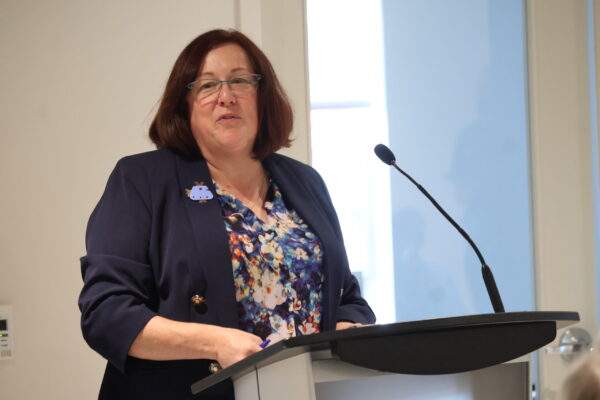
“Our current system of supports wasn’t designed to meet today’s reality, which has more complex cases of people experiencing homelessness,” said Susan Corkum-Greek, Minister of Opportunities and Social Development.
“We need innovative and sustainable community-led solutions that respond to local needs and help people move toward stable housing.”
ADVERTISEMENT:



Eligible projects may include new supportive housing; expansions to existing programs; acquiring, leasing or preparing property for supportive housing; and the staffing and operating supports needed to help people remain housed.
Proposals may also be designed for specific populations where a local need is demonstrated.
The expression of interest process will continue alongside the New Glasgow transition, with opportunities for organizations to bring forward proposals in all three regions.
Quick Facts:
– supportive housing is a social program that helps move people from homelessness into housing and connects them to health, income, cultural, social and community supports
– projects can be submitted by non-profit organizations, community-based partners, existing service providers, Indigenous groups, municipalities and private companies through partnership agreements
– proposals will be assessed for local need, service quality, readiness, staffing, financial sustainability, partnerships and culturally responsive design