




From a release
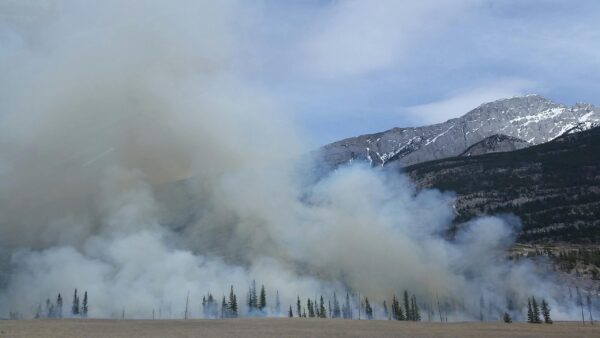
ATLANTIC CANADA: Wildfires are spreading across swathes of the Atlantic provinces, prompting evacuation orders and bans on hiking and camping in forested areas.
Nationally, this wildfire season is one of the most destructive on record, having burned more than 7.3 million hectares across the country this year to date.
That’s more than double the 10-year average for this time of year, according to data from the Canadian Interagency Forest Fire Centre and Natural Resources Canada.
Some experts say these devastating fires might be the new normal.
ADVERTISEMENT:




As wildfires increase in severity and spread, Canadian homeowners need to understand what steps to take from a home insurance perspective to protect themselves and their homes in the event of a wildfire.
“Losses incurred from wildfires can be devastating,” says Daniel Ivans, Rates.ca insurance expert and licensed insurance broker. “There are steps homeowners can take to reduce fire risk to their homes, as well as to ensure a smoother claims process in the event of fire damage.
“It’s crucial for homeowners living in fire-prone areas to regularly review their policies and ensure they have the necessary coverage for their homes in the event of a wildfire.
“Inflation has pushed up repair and replacement costs substantially over the past several years, and deductibles and coverage amounts need to be adjusted accordingly to ensure adequate coverage.”
ADVERTISEMENT:


Steps owners can take to protect their homes:
- Clear a 30 foot area around the home of vegetation and debris, including dead leaves, branches and other flammable materials
- Maintain lawns, trees and shrubs. Well-watered lawns, trees trimmed of low-hanging branches and spaced-out shrubs can help slow the spread of fires
- Use fire-resistant roofing and siding to reduce fire risk
- Cover exterior vents with metal mesh to help prevent embers from entering the home
- Keep gutters and roofs clean and free of flammable debris
- Keep a recordof home contents and proof of valuable items, such as receipts for art or jewelry, that can be used to ascertain the value of damaged items. A video or pictures taken of each room in the home and kept on a cloud server can be helpful in recalling the home’s contents after damage has occurred
- Take pictures of the damage to the home and damaged items in the home, to ascertain the level of damage and loss
- Keep all receiptsfor accommodation, food, etc., if staying outside the home. If this is the case, it’s imperative that consumers know the limits of their policy coverage for accommodations and additional living expenses so as not to unknowingly exceed them. This is especially important if the length of time out of the home is substantial