


ELMSDALE: A new housing option designed to help Nova Scotians with disabilities live where and how they choose was officially launched Wednesday at Corridor Community Options for Adults in Elmsdale.
Premier Tim Houston, Opportunities and Social Development Minister Susan Corkum-Greek, disability advocates and community organizations gathered to mark the launch of HomeShare, a program that creates shared living arrangements between people with disabilities and carefully screened home providers.
The initiative is part of the province’s ongoing commitment under the Nova Scotia Human Rights Remedy and aims to provide more individualized living options rooted in community connections.
“At the heart of what we’re talking about with HomeShare is a pretty simple idea, and that is that people should have every opportunity to live a thriving, successful life in their community and in the environment that they choose,” Houston said during the announcement.
ADVERTISEMENT:






Ten community-based service providers across Nova Scotia have been selected to co-ordinate the program. Their role includes recruiting and screening potential providers, facilitating matches and offering ongoing support to both participants and providers.
Houston encouraged Nova Scotians interested in opening their homes to consider becoming involved.
“If you have room in your home and room in your heart, reach out to one of the service providers and you might be able to really make something that enriches your life, but also another Nova Scotian’s life too,” he said.

The premier said several dozen Nova Scotians have already begun the application process, with service providers conducting home visits and screenings before any matches are made.
“We have to get it right,” Houston said. “It’s a really meaningful opportunity.”
ADVERTISEMENT:


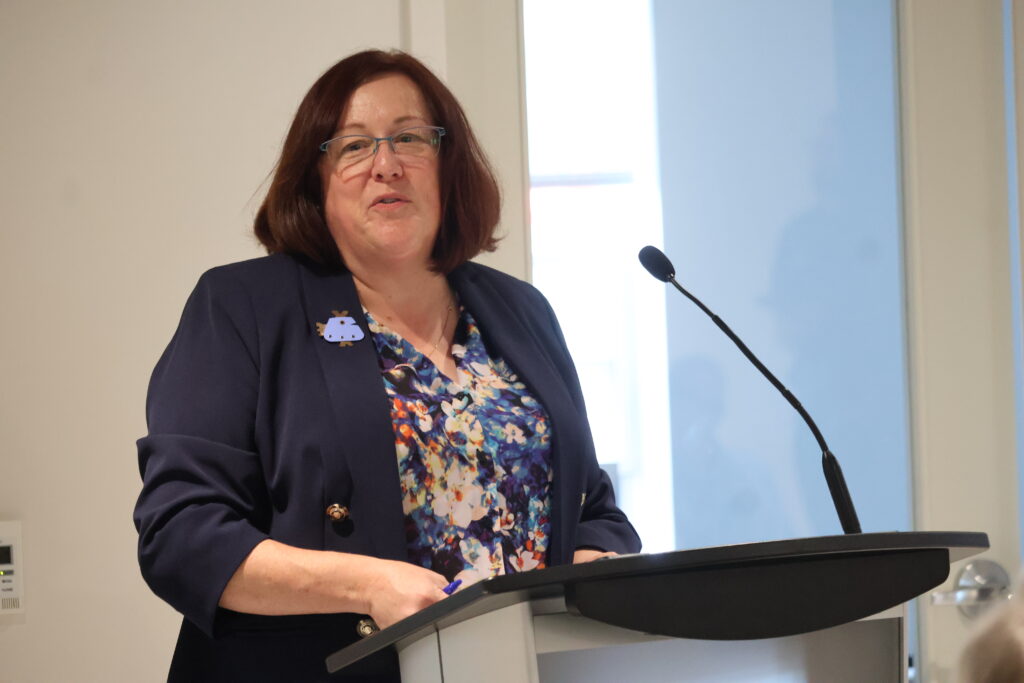
Corkum-Greek, who recently became minister, said HomeShare responds to what people and families have been asking for — more choice and flexibility in where they live.
“What we’ve heard consistently is that people want choices, just like all of us,” she said. “They want flexibility. They want living arrangements where they feel comfortable and supported and connected to community.”
She said the success of the program will depend on creating meaningful matches between participants and providers based on shared interests, routines, personalities and lifestyles.
“When that fit is right, it can create something really meaningful — a sense of connection, stability and belonging,” Corkum-Greek said.
Speaking after the announcement, Lora Church, executive director of the Nova Scotia Community Living Organizations, said her organization has spent nearly two years helping design and prepare the program for launch.
Church explained that potential providers undergo an extensive screening and home-study process involving multiple interviews and detailed discussions about family life, interests, values and daily routines. Participants are then introduced to providers with similar interests and are ultimately the ones who decide whether a match is right for them.
She stressed that HomeShare is not simply about providing housing.
“HomeShare is not a placement, it is not a bed, and it is not a shelter arrangement,” Church told attendees. “HomeShare is people building real lives together.”
ADVERTISEMENT:






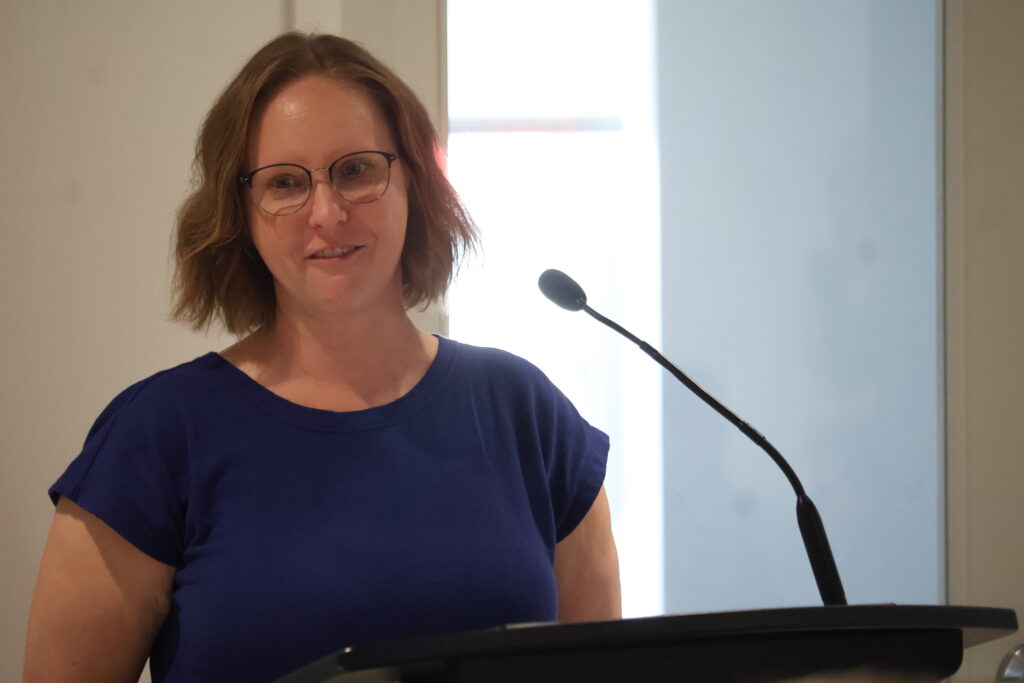
Church said safeguards are built into the model through regular visits from co-ordinators, involvement from Disability Support Program staff and support networks made up of family, friends and community connections.
Interest in the program has already been strong. Church said between 60 and 70 people have expressed interest since recruitment efforts began, with more than 50 indicating they would be willing to become HomeShare providers.
“What I really hope is that it becomes a real choice for people,” Church said.
“It really opens up housing opportunities in rural and small communities and allows people to have more choice about who they live with, where they want to live and how they want their support to be directed.”
While the first matches have not yet been finalized, screening and home-study work is already underway across the province. Church said the focus is on finding the right fit rather than moving quickly.
The province says HomeShare providers will be supported by local co-ordinating organizations and ongoing oversight to ensure safe and successful living arrangements. Officials expect the first matches to begin later this year.
More information for people interested in becoming HomeShare providers, or for Disability Support Program participants interested in joining the program, is available through the HomeShare Nova Scotia website. HomeShare Nova Scotia