

SHUBENACADIE: As Nova Scotia’s turtles become increasingly active during the summer months, the Shubenacadie Wildlife Park is reminding residents that a little patience, and a helping hand when it’s safe, can go a long way in protecting some of the province’s most vulnerable reptiles.
“This time of year is a hot topic for turtles because they are their most active,” said Tabitha Cox, senior nature interpreter at the Shubenacadie Wildlife Park. “They are out trying to find a breeding partner, a place to lay their eggs, finding all the nice fresh food that they really like to eat.”
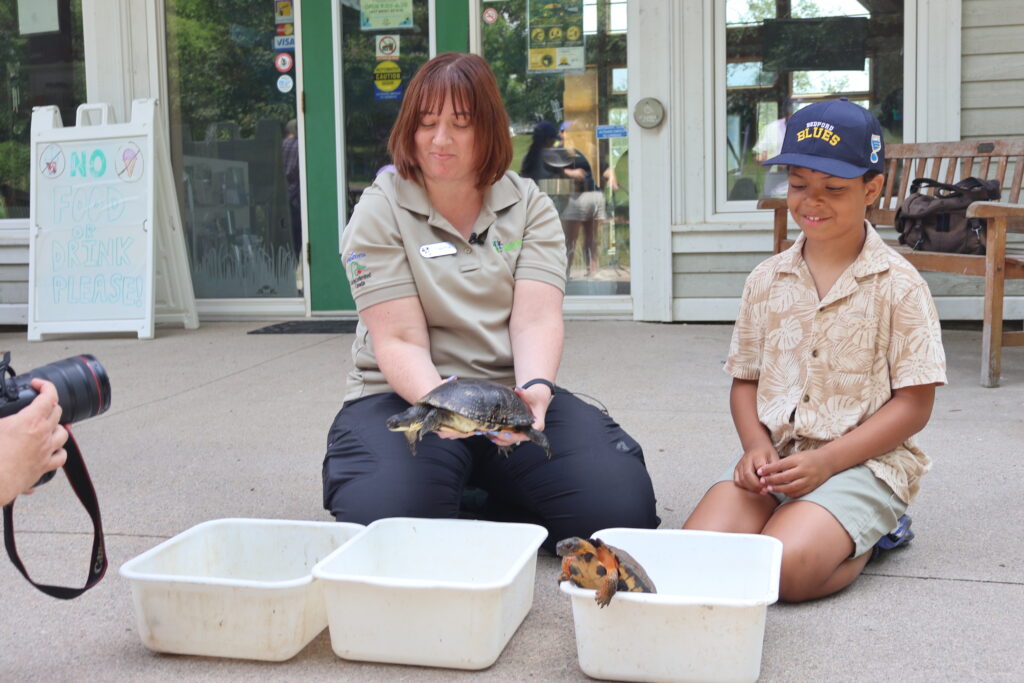
The wildlife park is home to three of Nova Scotia’s four native turtle species, including wood turtles, eastern painted turtles and Blanding’s turtles.
Cox introduced visitors to Twig, one of the park’s resident wood turtles, explaining that reptiles often don’t receive the appreciation they deserve.
“I think sometimes reptiles get a little bit of a bad reputation or are underappreciated,” she said. “But they’re really long-lived animals. They’ve been around since the dinosaurs, so they’re really well adapted to the world and being a part of our ecosystem.”
ADVERTISEMENT:




One of the biggest dangers turtles face each year comes from crossing roads in search of nesting sites. Gravel shoulders often provide ideal places to lay eggs, bringing turtles into conflict with traffic.
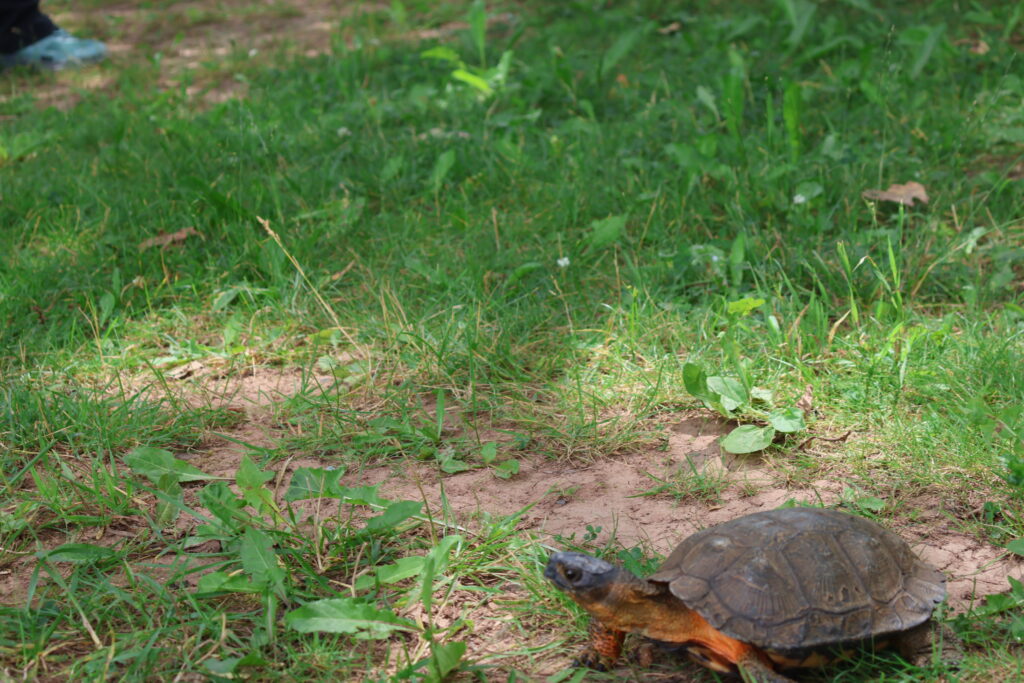
“If they can safely stop, they can check on the turtle,” Cox said. “If they are willing, they can move the turtle in the direction it was moving already.”
She cautioned, however, that turtles can carry diseases, including salmonella.
“If you don’t want to touch a turtle, that is fine,” she said. “Even just encouraging them in the direction they are already going means they’re not going to turn around and go back.”
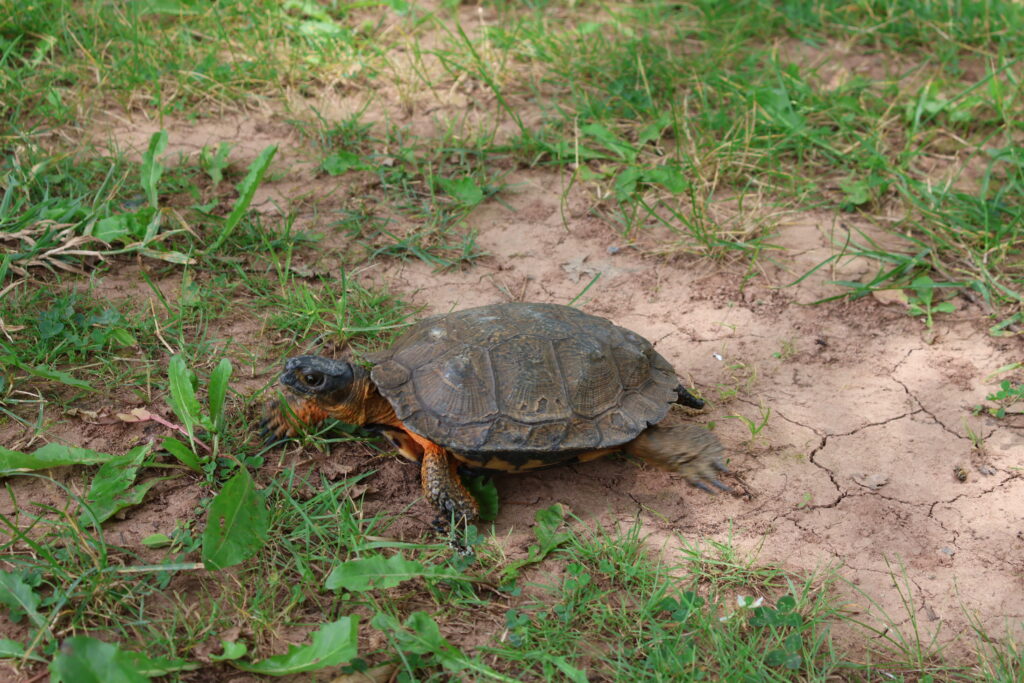
While eastern painted turtles remain relatively common, Cox said all four native species face challenges.
“The Blanding’s turtle is listed as endangered in Nova Scotia. The wood turtle is threatened… and the snapping turtle is vulnerable,” she said. “Being slow to reproduce really makes them end up on that list, as well as habitat loss, crossing roadways and mortality.”
Many of the turtles now living at the wildlife park arrived after being kept illegally as pets.
“Most of them were an illegal pet,” Cox explained. “You can’t keep native species as a pet in Nova Scotia.”
She said many people don’t realize just how long turtles live.
“People did with the little turtles, but then the kid grows up and the turtle is still going for another 20 or 30 years,” she said. “They’re used to living in a tank. They’ve lost their fear of predators, so letting them go isn’t usually possible.”
Some turtles also arrive malnourished or with damaged shells, while others cannot be released because they may have picked up diseases that could threaten wild populations.
Instead, they remain at the park where visitors can see them and learn about turtle conservation.
“Just come and check them out,” Cox said. “We take care of them with all the lights and the filters and everything that a turtle would need that you maybe don’t want in your home anyway, so you can appreciate them without having to have a great big tank and filtration system and lights.”
ADVERTISEMENT:




Cox also urged people never to release pet turtles into the wild.
“If you do have a non-native species like a red-eared slider, you can’t release them into our ecosystem because they’re not from here,” she said.
“They could introduce disease, they could outcompete our already endangered turtles. Never release a pet just because you’re done with it.”
(Healey photo)
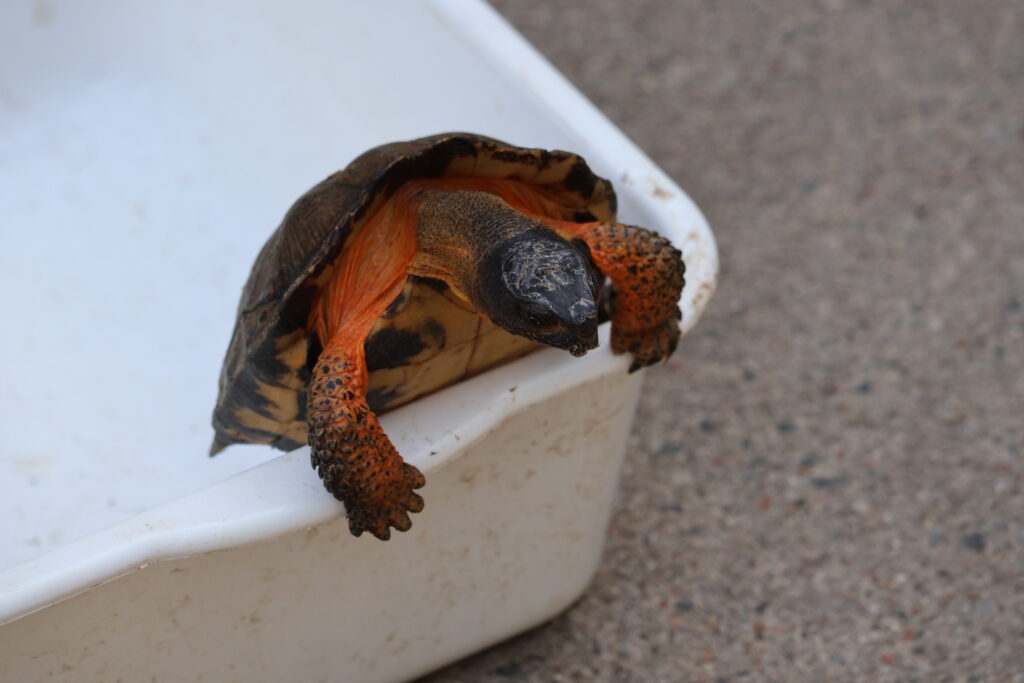
While Cox admits she’s a fan of the Teenage Mutant Ninja Turtles, caring for real turtles has changed her perspective.
“I really love turtles,” she said. “I kind of get why some people really wanted to have a turtle.
“But now that I have cared for them, I definitely wouldn’t want one of my own. They’re great. They’re very cool, but I appreciate them a lot more in nature. I love seeing them out in their ponds and their streams doing what they’re supposed to do.”
She added that visitors often enjoy watching the park’s turtles explore.
“They love to go for a walk,” Cox said. “Taking a turtle for a little walk and a stroll is definitely a highlight of our day here.”
For anyone who does handle a turtle, Cox offers one final reminder.
“They can carry a lot of diseases, including salmonella,” she said. “Always wash your hands after handling a turtle. They’re not a cuddly animal, which is another reason not to have one as a pet.”